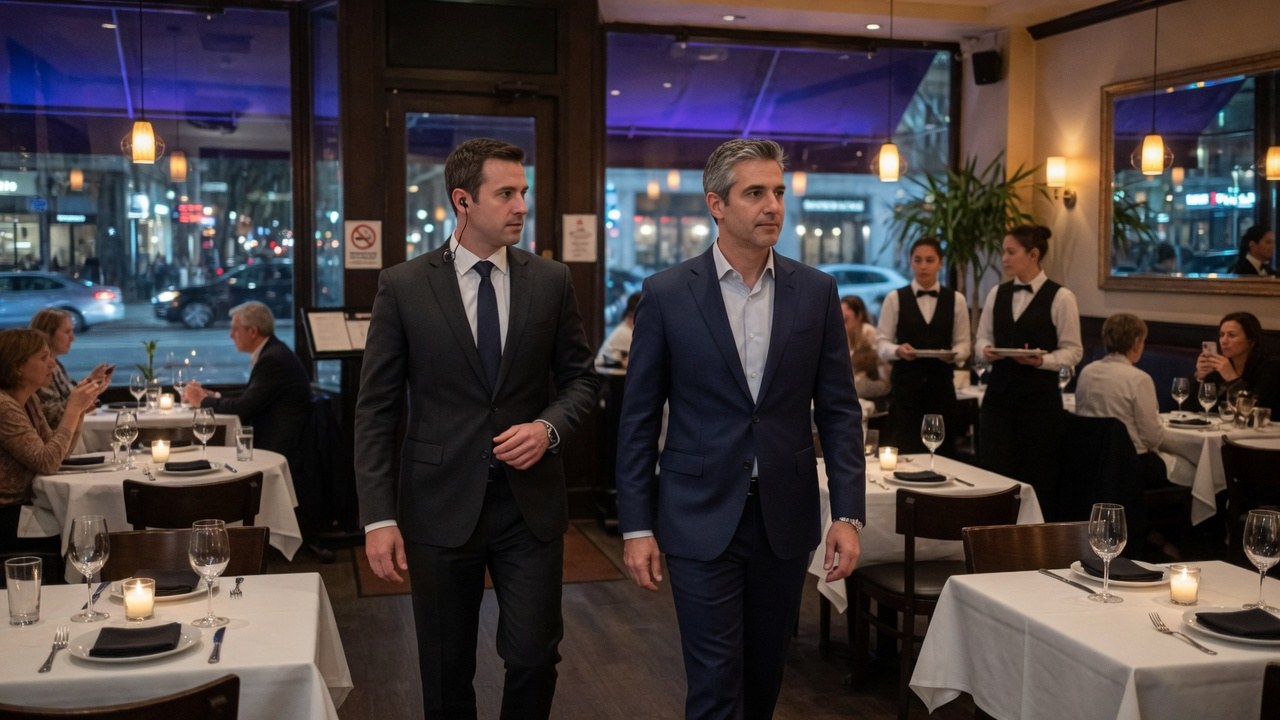
Staying sharp, physically fit, and mentally balanced
Key takeaways
- Nutrition, hydration, sleep and recovery are part of operational readiness, not extras.
- A consistent, Mediterranean-style eating pattern supports long-term health. No single food improves judgment or reaction time.
- Plan food and water for the schedule you will actually have, not the one on paper.
- Coordinate meals and rest with the team, and never compromise coverage to eat.
Why is nutrition part of operational readiness?
Executive protection is a lifestyle as much as a profession. It demands physical conditioning, mental discipline, situational awareness, and the ability to make sound decisions under pressure.
An executive protector must remain sharp, alert, and physically capable, often while working long hours, traveling across time zones, managing unpredictable schedules, and operating under continuous responsibility for another person’s safety.
We spend considerable time training our bodies, refining protective skills, and preparing for potential threats. Yet one of the most important elements of operational readiness is often overlooked: how we fuel our bodies and maintain our long-term physical and mental health.
A professional protector cannot separate personal health from professional performance.
Is physical fitness enough in executive protection?
Strength, endurance, mobility, and defensive capabilities are essential to executive protection. But physical fitness alone does not guarantee operational effectiveness.
The profession also requires sustained concentration, emotional control, patience, clear judgment, and the ability to react quickly without overreacting.
Poor nutrition, inadequate recovery, and inconsistent eating habits can compromise energy levels, physical endurance, and concentration.
A protector may be physically strong but still perform poorly when fatigue, hunger, stress, and lack of preparation begin to affect decision-making.
The goal is to remain operationally capable throughout a demanding career, and looking fit is only a small part of that.
Why the Mediterranean diet suits executive protectors
One nutritional approach worth considering is the Mediterranean diet.
Rather than a temporary weight-loss program, the Mediterranean diet is a sustainable way of eating, influenced by traditional food cultures in Greece, Italy, Israel, Spain, and other Mediterranean countries.
It emphasizes vegetables, fruits, legumes, whole grains, nuts, seeds, olive oil, and moderate amounts of fish, poultry, and dairy products.
It also encourages limiting processed meats, refined carbohydrates, excessive sugar, and highly processed foods.
Research has associated this eating pattern with improved cardiovascular health and a lower risk of several chronic diseases.
For executive protectors, the value is straightforward: maintaining long-term health supports the ability to remain physically active, resilient, and professionally effective.
The Mediterranean diet is not a substitute for conditioning or adequate sleep. It is one part of a broader performance lifestyle.
How does nutrition support mental readiness?
An executive protector’s most valuable tool is the ability to observe, evaluate, and make the right decision at the right moment, more than any firearm, defensive technique, or communications system.
That ability depends on both physical and mental readiness.
A balanced diet supports overall brain health and helps provide the energy needed for sustained concentration.
The Mediterranean diet offers several useful nutritional elements:
- Vegetables and fruits: supply fiber, vitamins, and antioxidants that support general health.
- Whole grains and legumes: provide nutrients and fiber while supporting more consistent energy throughout the day.
- Fish: particularly fatty fish, provides omega-3 fatty acids important to cardiovascular and neurological health.
- Nuts and seeds: supply healthy fats, protein, and essential nutrients.
- Extra virgin olive oil: provides monounsaturated fats and beneficial plant compounds. Replacing saturated fats with unsaturated fats can improve cardiovascular risk factors.
No individual food guarantees improved judgment or faster reactions. The benefit comes from maintaining a consistent nutritional pattern as part of a healthy lifestyle.
How can protectors manage stress and keep balanced thinking?
Executive protection presents a unique combination of physical and psychological stress.
Some stress is immediate and visible: managing crowds, navigating traffic, controlling access, or responding to unexpected situations.
Other stress remains beneath the surface: anticipating tomorrow’s movements, managing unresolved security concerns, preparing for changing schedules, and carrying the continuous responsibility for a principal’s safety.
This ongoing mental workload can affect sleep, mood, concentration, and recovery.
Balanced thinking requires more than remaining calm during an emergency. It requires maintaining perspective, emotional stability, and good judgment when no emergency exists.
Regular exercise, proper nutrition, sufficient sleep, hydration, and time for recovery all contribute to that objective.
A professional protector should develop the discipline to recognize fatigue, manage stress, and maintain personal stability.
You can be constantly alert without being constantly tense. The best protectors understand the difference.
What makes the executive protection lifestyle hard to maintain?
In reality, executive protectors rarely enjoy predictable schedules.
Flights are delayed. Assignments extend beyond their planned duration. Meals are missed. Hotel gyms are inadequate. Sleep schedules change.
These conditions make personal discipline even more important.
Maintaining a healthy lifestyle requires practical habits rather than perfect circumstances.
Choose balanced meals whenever possible. Carry nutritious snacks during extended assignments. Stay hydrated. Limit excessive sugar and highly processed foods. Exercise consistently, even when workouts must be shorter than planned.
Most importantly, protect your recovery time whenever operational requirements allow.
Consistency matters more than perfection.
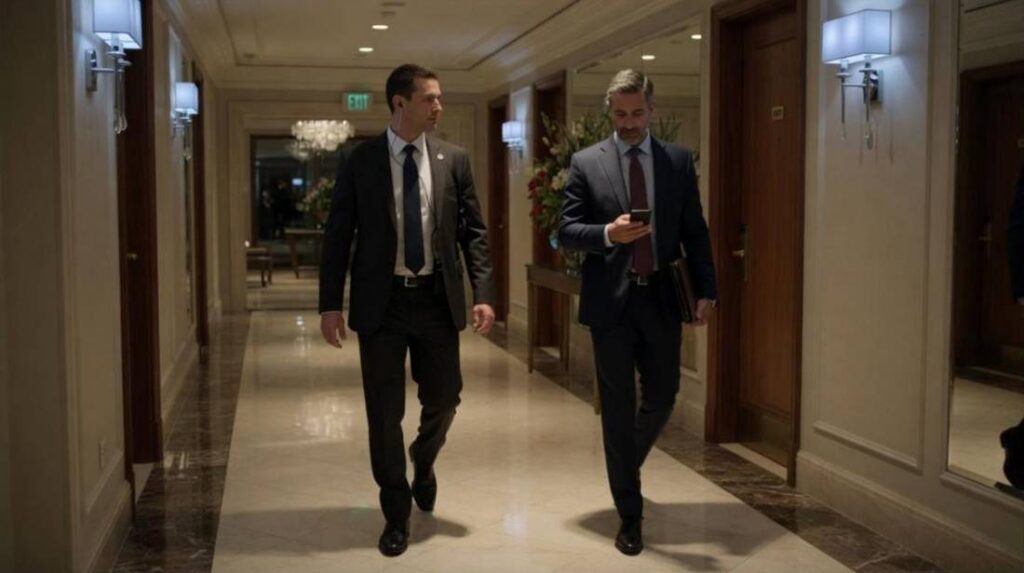
Lessons from the field: when the assignment takes over your schedule
Over the years, I’ve learned that some of the most important lessons in executive protection have little to do with security equipment or defensive techniques.
They involve managing yourself.
The following examples reflect situations familiar to anyone who has spent years working demanding protective assignments.
The 12-hour detail: when lunch never happens
I’ve spent countless days on executive protection assignments where a planned eight-hour day turns into twelve or fourteen hours.
A typical day working with a high-profile client on a movie production can begin early in the morning and continue through filming, interviews, meetings, and evening commitments.
You might plan to have lunch at noon. But noon comes, the schedule changes, the principal moves, and suddenly it’s five in the afternoon. You realize you’ve had nothing but coffee and perhaps a bottle of water.
Hunger is only part of the problem. Inadequate nutrition, dehydration, and fatigue begin affecting your concentration, patience, decision-making, and reaction time.
In executive protection, you cannot afford to become distracted, irritable, or mentally exhausted because you failed to prepare for a predictable situation.
My lesson: Never build your nutrition around the client’s schedule. Keep a backup meal or healthy snacks accessible. Your responsibility is to remain physically and mentally ready, even when the day doesn’t go as planned.
New York, Los Angeles, Nashville: your body doesn’t follow the schedule
One of the challenges of protecting high-profile clients is constant travel.
An assignment might take you from Los Angeles to New York, then Nashville, and sometimes overseas, with very little opportunity to establish a normal routine.
You can arrive after a long flight, sleep poorly, and still be expected to perform at your best the following morning.
The client doesn’t necessarily know how tired you are. More importantly, your responsibility doesn’t change because you’re jet-lagged.
Fatigue can affect attention, reaction time, situational awareness, and judgment. These are fundamental capabilities in executive protection.
I’ve learned that physical fitness alone isn’t enough. Sleep discipline, hydration, smart nutrition, and knowing how to manage fatigue are just as important.
There is also a professional responsibility to recognize when fatigue creates a genuine safety concern and to coordinate appropriate rest or relief rather than simply attempting to push through it.
My lesson: An executive protector must manage personal recovery with the same seriousness as operational planning. Fatigue doesn’t excuse poor judgment, and ignoring significant fatigue is itself poor judgment.
What’s in your bag can determine how well you perform
Throughout my executive protection career, I’ve learned that preparation goes well beyond security equipment.
When you leave your hotel for an assignment, you can’t assume you’ll have time to return, stop for food, or even sit down for a proper meal.
A small personal supply of water, electrolytes when needed, nuts, protein snacks, and other essentials can make a significant difference during an extended detail.
The point is maintaining energy, concentration, and the ability to make good decisions when conditions change. Comfort has little to do with it.
The same principle applies to footwear, clothing, medications, and basic personal necessities. Small preparations can prevent unnecessary distractions during demanding assignments.
A protector who prepares only for external threats but ignores personal readiness has overlooked an important part of the job.
My lesson: We spend hours preparing for threats against our clients. We should also spend a few minutes preparing our bodies and minds to perform under those conditions.
How should executive protectors eat while traveling?
These experiences have reinforced one principle throughout my career: nutrition and recovery cannot depend entirely on circumstances.
Executive protectors operate around the needs of the principal, not their personal routines.
An assignment may begin before sunrise, continue through multiple meetings, involve extended vehicle movements, and conclude well after dinner. International travel introduces additional challenges involving time zones, unfamiliar food, disrupted sleep, and limited access to healthy meals.
These conditions are predictable parts of the profession. Your nutrition strategy should account for them.
Never allow a predictable logistical problem to become an avoidable performance problem.
1. Prepare before the assignment
Just as a professional protector reviews the itinerary, transportation, routes, and potential risks, personal nutrition should be considered during pre-assignment preparation.
Before beginning a long duty period:
- Eat a balanced meal containing protein, fiber-rich carbohydrates, and healthy fats.
- Carry a small supply of shelf-stable food.
- Identify potential meal opportunities along the itinerary without interfering with protective responsibilities.
- Keep drinking water accessible where operationally appropriate.
- Anticipate delays rather than assuming scheduled meal breaks will happen.
A breakfast of eggs, whole-grain toast, fruit, and water is more practical than relying solely on coffee before a 12-hour assignment.
Preparation reduces dependence on whatever food happens to be available.
2. Build a travel nutrition kit
A small nutrition kit should become part of personal travel preparation.
Practical options include:
- Unsalted almonds, walnuts, or mixed nuts.
- Low-sugar protein bars with adequate protein and fiber.
- Single-serving nut butter packets.
- Whole-grain crackers.
- Roasted chickpeas.
- Shelf-stable tuna or salmon packets, when permitted and practical.
- Fresh fruit purchased after arrival.
- A reusable water bottle.
Choose foods that require little preparation, can be eaten during authorized breaks, and are easy to carry.
Consider food allergies, airport restrictions, customs rules, and storage conditions. Perishable foods must be kept at safe temperatures.
Snacks should not replace proper meals. They prevent unnecessary periods without food when a schedule unexpectedly extends.
3. Make better decisions at airports
Airports offer plenty of food, but convenience does not always support sustained energy or nutritional quality.
Instead of automatically selecting fast food, pastries, or oversized sugary drinks, look for meals with protein, vegetables, and whole grains.
Practical airport choices include:
- Grilled chicken with rice and vegetables.
- A whole-grain sandwich with lean protein.
- Greek yogurt with fruit and nuts.
- A salad with chicken, salmon, or legumes.
- Oatmeal with nuts and fruit.
These options generally align with the Mediterranean eating pattern.
When the selection is limited, make the best available choice rather than abandoning healthy eating entirely.
4. Use a simple restaurant strategy
Executive protectors regularly eat in hotels, restaurants, and unfamiliar locations.
You do not need a specialized menu or complicated dietary plan to maintain reasonable nutritional standards.
Apply a simple approach: prioritize protein, include vegetables, choose fiber-rich carbohydrates, and favor unsaturated fats.
For example, grilled fish with vegetables, olive oil, and a serving of whole grains provides a balanced meal without complicated preparation.
Other practical choices include chicken with roasted vegetables, lentil-based dishes, bean salads, and Mediterranean-style grain bowls.
Limit the routine consumption of fried foods, heavy sauces, processed meats, and sugary beverages.
Every meal does not have to be perfect, but your regular choices should support your health rather than undermine it.
5. Maintain hydration throughout the duty day
Hydration is especially important during assignments involving warm climates, prolonged standing, body armor, physical activity, or extended vehicle movements.
Dehydration can contribute to fatigue, headaches, and reduced concentration.
Begin assignments adequately hydrated and drink regularly when practical. Fluid requirements vary based on activity, climate, body size, and medical circumstances.
Water should be the primary beverage.
Electrolyte replacement may be useful during prolonged heavy sweating, but sugary sports drinks are not automatically necessary for routine assignments.
Avoid treating energy drinks and excessive coffee as substitutes for hydration, food, or sleep.
Caffeine can temporarily improve alertness, but too much or poorly timed caffeine can interfere with recovery and sleep.
6. Plan for long shifts and missed meals
During a protective assignment, the mission takes priority. That does not eliminate the responsibility to manage your physical condition.
When practical, eat a balanced meal before extended duty. Carry suitable snacks and use authorized breaks to maintain food and fluid intake.
During a particularly demanding shift, a protein bar, fruit, nuts, or whole-grain snack may be useful until a proper meal becomes possible.
Coordinate meal and recovery opportunities with the team leader when the operational environment allows.
Never compromise observation, principal coverage, driving safety, or protective positioning to eat.
The solution is advance planning and appropriate team coordination, not taking shortcuts during an assignment.
7. Adjust to international travel and time zones
International assignments can disrupt normal eating patterns, sleep schedules, and digestive routines.
Begin adjusting to the destination’s meal and sleep schedule when feasible.
After arrival, aim for regular meals, adequate hydration, and exposure to natural daylight during local daytime hours.
Avoid using excessive caffeine to compensate for significant sleep deprivation.
When operating in unfamiliar locations, consider food and water safety. Select reputable food establishments, follow local travel health guidance, and avoid foods that present unnecessary gastrointestinal risks.
An illness that could have been avoided through basic food safety precautions can affect both personal readiness and team staffing.
8. Make hotel living work for you
For protectors working extended assignments, the hotel often becomes the temporary base for both recovery and nutrition.
Whenever possible, look for accommodations with practical food access, refrigeration, or nearby grocery options.
Stock simple items such as fruit, plain Greek yogurt, nuts, prepared salads, and other foods that can be stored safely.
Use hotel breakfasts strategically. Choose eggs, oatmeal, fruit, yogurt, and whole-grain options when available.
A consistent breakfast and basic room supplies can reduce reliance on late-night fast food and vending machines.
9. Control late-night eating and protect recovery
Assignments may end late, leaving protectors hungry and mentally exhausted.
Rather than automatically eating a large, heavy meal immediately before sleep, consider a moderate meal or snack that provides protein and other useful nutrients.
A chicken and vegetable wrap, yogurt with fruit, or a small balanced meal can be practical.
Meal timing should accommodate the assignment and individual needs. The priority is adequate overall nutrition without creating unnecessary digestive discomfort or disrupting sleep.
Alcohol should not be treated as a recovery or sleep strategy.
Quality sleep remains essential to maintaining alertness, emotional control, and decision-making.
10. Build a repeatable nutrition routine
The strongest strategy is one you can maintain regardless of location.
A practical travel routine might look like this:
- Before duty: a balanced breakfast, water, and enough food for expected delays.
- During movement: regular hydration and portable snacks during appropriate breaks.
- At the main meal opportunity: lean protein, vegetables, whole grains or legumes, and healthy fats.
- After duty: a balanced recovery meal as needed, hydration, and sufficient sleep.
- During days off: grocery preparation, regular exercise, and recovery.
The aim is to reduce unnecessary variation in daily habits when the job itself already brings significant unpredictability. Strict dieting is not required.
Why does long-term health matter for an executive protection career?
Executive protection is physically demanding, but its most experienced professionals bring far more than physical ability to an assignment.
They bring maturity, judgment, situational awareness, and the experience to prevent problems before they develop.
These qualities become increasingly valuable with age, provided the protector maintains the physical and mental capacity to perform.
That is why long-term health should be viewed as a professional investment.
Cardiovascular health, strength, flexibility, healthy body composition, and cognitive well-being all deserve attention throughout an executive protector’s career.
Aim to remain capable for the next 10 or 20 years, not only for the next assignment.
The professional standard
Executive protection demands more than technique. It takes the discipline, judgment, and professional habits required to operate at a consistently high standard.
That responsibility extends beyond the classroom, training facility, or protective assignment.
It includes how we eat, exercise, sleep, recover, manage stress, and conduct our personal lives.
A protector who neglects personal health eventually risks compromising professional performance.
A protector who maintains physical fitness, mental clarity, emotional balance, and healthy daily habits is better positioned to handle the demands of the profession.
Train your body. Develop your mind. Maintain your health. Manage your stress.
And remember: the responsibility to protect others begins with maintaining your own operational readiness.
Frequently asked questions
Why does nutrition matter in executive protection?
Poor nutrition, inadequate recovery, and inconsistent eating can compromise energy, endurance, and concentration. On long details, fatigue and hunger begin to affect decision-making, which is the protector’s most valuable tool.
What should an executive protector carry for long assignments?
A small supply of water and easy-to-carry food: nuts, low-sugar protein bars, nut butter packets, whole-grain crackers, roasted chickpeas, and shelf-stable tuna or salmon packets when permitted, plus fresh fruit bought after arrival.
How can protectors eat during a shift without compromising coverage?
Eat a balanced meal before extended duty, carry suitable snacks, use authorized breaks, and coordinate meals with the team leader. Never compromise observation, principal coverage, driving safety, or protective positioning to eat.
Is the Mediterranean diet good for executive protectors?
It emphasizes vegetables, fruits, legumes, whole grains, nuts, seeds, olive oil, and moderate fish, poultry, and dairy, and research has associated it with improved cardiovascular health. It supports long-term health but is not a substitute for conditioning or adequate sleep.
This article is general information, not medical or nutritional advice. Talk to a doctor or registered dietitian before making changes to your diet, especially if you have a medical condition.
Source
Nutrition reference: “The Mediterranean Diet,” Maytal Zfadia Duek, MA, RD, CDN, Clinical Dietitian. The travel nutrition recommendations and first-person field lessons are practical additions to that reference, not recommendations attributed directly to the dietitian.